Every well-made garment starts with more than just good fabric. The way different pieces of fabric are joined together plays a major role in how the finished clothing looks, feels, and lasts over time. This is where Nahttypen, or seam types, become an essential part of sewing and fashion design.
Whether you are learning to sew at home, studying fashion design, or working in the garment industry, understanding different seam types can improve your sewing skills. Each seam has its own purpose, and choosing the right one can make clothing stronger, more comfortable, and more attractive.
In this guide, you will learn what Nahttypen means, why it matters, the most common seam types, how to choose the right seam for different fabrics, and practical tips that help you achieve professional sewing results.
What Is Nahttypen and Why Is It Important in Sewing?
The word Nahttypen comes from German and simply means types of seams. A seam is the line where two or more pieces of fabric are stitched together. Although seams may seem like a small detail, they have a huge impact on the overall quality of a garment.
Different sewing projects require different seam types. A lightweight silk blouse, for example, needs a completely different seam than a pair of denim jeans. Choosing the correct seam improves durability, prevents fabric from fraying, and creates a neat finish that makes clothing look professionally made.
Seams also affect how a garment fits and moves with the body. The right seam provides flexibility where needed while keeping the fabric securely joined. This is why fashion designers, tailors, and clothing manufacturers carefully select seam types based on the fabric, garment style, and intended use.
Understanding the Different Types of Seams Used in Clothing
Modern clothing is made using a wide variety of seam types. Some are designed for strength, while others focus on appearance, comfort, or flexibility. Knowing these differences helps sewists choose the best option for every project.
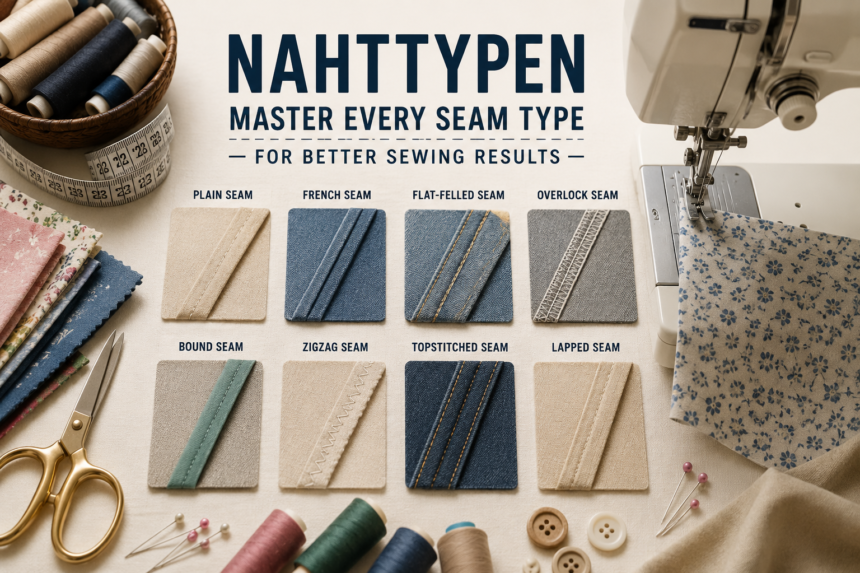
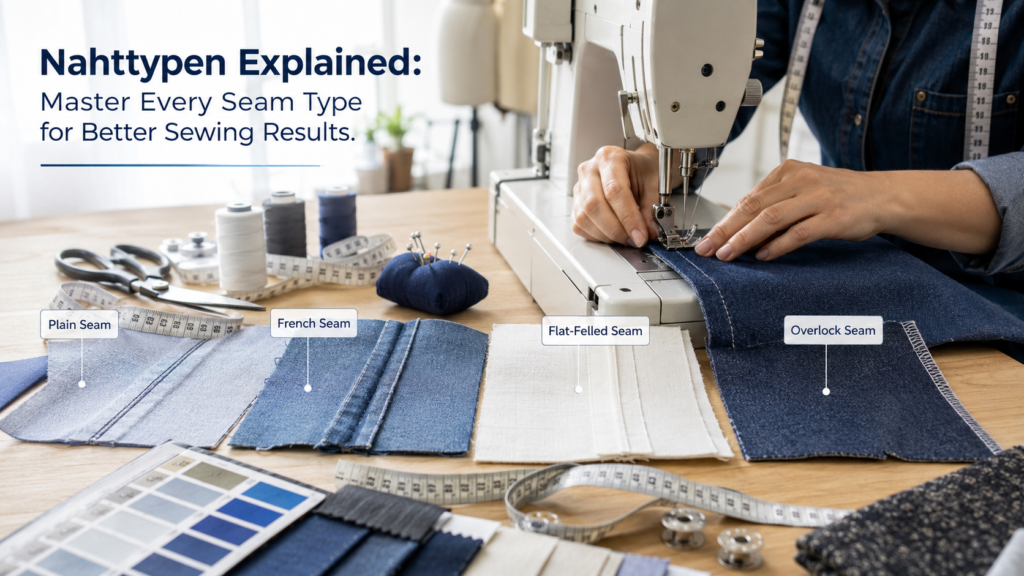
The most common seam types include plain seams, French seams, flat-felled seams, overlock seams, bound seams, and zigzag seams. Each one has its own advantages depending on the fabric and the purpose of the garment.
| Seam Type | Best Used For | Main Advantage |
| Plain Seam | Everyday clothing | Simple and versatile |
| French Seam | Lightweight and delicate fabrics | Clean finish with hidden edges |
| Flat-Felled Seam | Jeans and workwear | Extremely strong and durable |
| Overlock Seam | Knit and stretch fabrics | Prevents fraying while adding flexibility |
| Bound Seam | Jackets and premium garments | Decorative and durable finish |
| Zigzag Seam | Stretch fabrics and edge finishing | Adds flexibility and reduces fraying |
Understanding these seam types makes it easier to create clothing that looks polished and performs well during everyday wear.
How to Choose the Right Seam Type for Every Fabric
Selecting the right seam begins with understanding the fabric you are working with. Lightweight fabrics such as chiffon, silk, and organza require neat finishes that hide raw edges, while heavier materials like denim and canvas need stronger seams that can handle greater stress.
Stretch fabrics such as jersey, spandex, and athletic materials also need special attention. These fabrics move with the body, so they require seams that can stretch without breaking. Using the wrong seam on stretch fabric often causes stitches to snap after only a few uses.
Before starting any sewing project, it is always a good idea to test different seam types on a small piece of the same fabric. This simple step helps you check the appearance, strength, and flexibility of the seam before sewing the actual garment.
The Most Common Nahttypen Every Beginner Should Learn
Beginners do not need to learn every seam at once. Starting with a few basic seam types builds confidence and creates a strong foundation for future sewing projects.
The plain seam is the first seam every beginner should master because it is used in shirts, dresses, skirts, trousers, and many other garments. Once comfortable with the plain seam, learning the French seam and overlock seam becomes much easier, especially when working with delicate or stretchy fabrics.
As sewing skills improve, beginners can move on to advanced seams like the flat-felled seam, which is commonly found in jeans, or the bound seam, which gives jackets and premium garments a clean and professional appearance. Learning these essential Nahttypen helps every sewist produce stronger, neater, and longer-lasting clothing.
Professional Seam Types Used in Fashion Design
Fashion designers do much more than simply stitch fabric together. Every seam is selected with a purpose, whether it is to improve comfort, create a premium finish, or increase the life of the garment. The right seam can completely change the appearance and quality of a piece of clothing.
Luxury brands often use French seams for lightweight garments because they hide raw fabric edges and create a clean interior finish. Denim manufacturers rely on flat-felled seams since they are extremely strong and can withstand daily wear. Sportswear brands usually prefer overlock seams, which allow fabrics to stretch without damaging the stitches.
Professional designers also think about how a seam will affect the overall style of the garment. Decorative seams may become part of the design itself, while hidden seams help achieve a smooth and elegant look. This careful planning is one reason professionally made clothing looks polished inside and out.
Common Sewing Mistakes and How the Right Seam Prevents Them
Many sewing problems happen because the wrong seam type is chosen instead of the wrong stitching technique. A seam that works perfectly on cotton may fail when used on silk or stretch fabric.
Some of the most common mistakes include:
| Mistake | Result | Better Choice |
| Using a plain seam on delicate fabric | Fabric edges fray quickly | French Seam |
| Using a rigid seam on stretch fabric | Stitches break when stretched | Overlock or Zigzag Seam |
| Choosing weak seams for heavy fabric | Seam opens after repeated use | Flat-Felled Seam |
| Ignoring seam finishing | Rough inside appearance | Bound or Overlocked Seam |
Another mistake beginners often make is skipping a fabric test before starting the project. Sewing a small sample first allows you to check stitch tension, seam strength, and fabric behavior. Spending a few extra minutes on testing can prevent hours of fixing mistakes later.
Best Sewing Techniques for Stronger and Cleaner Seams
Even the best Nahttypen will not produce professional results without proper sewing techniques. Small habits developed during sewing often make a much bigger difference than expensive machines or premium fabric.
Always use the correct needle for the fabric, match the thread weight to the material, and maintain an even seam allowance throughout the project. Pressing every seam with an iron after stitching also helps the fabric lie flat and gives the garment a neat, finished appearance.
It is equally important to keep your sewing machine clean and properly adjusted. A dull needle, incorrect thread tension, or poor machine maintenance can lead to uneven stitches and weak seams. Professional sewists regularly replace needles and test stitch settings before beginning every project.
How Nahttypen Affects Garment Quality, Comfort, and Durability
A garment may look attractive on the outside, but its true quality often depends on the seams hidden inside. Strong, well-made seams allow clothing to maintain its shape even after frequent washing and everyday use.
Comfort is another reason why seam selection matters. Bulky or poorly placed seams can rub against the skin and make clothing uncomfortable. Soft, smooth seam finishes improve the wearing experience, especially in activewear, sleepwear, children’s clothing, and garments made from lightweight fabrics.
Durability is equally important. High-quality seams distribute stress evenly across the fabric, reducing the risk of tearing or loose stitching. This is why premium clothing generally lasts much longer than garments made with basic construction methods. Understanding Nahttypen helps sewists create clothing that not only looks professional but also performs well for years.
Expert Tips to Master Every Seam Type Like a Professional
Becoming confident with different Nahttypen takes practice, but a few simple habits can make learning much easier. Instead of trying to memorize every seam at once, focus on understanding when and why each seam is used. As you complete different sewing projects, you will naturally become familiar with the seam types that work best for specific fabrics and garment styles.
Keep small pieces of leftover fabric from previous projects and use them to practice new seam types. This allows you to test stitch length, thread tension, and machine settings without risking your actual project. Over time, these practice samples become a useful reference for future sewing work.
Another helpful habit is to inspect the inside of high-quality clothing. Looking at professionally made shirts, dresses, jackets, or jeans can teach you how manufacturers use different seams to improve strength, comfort, and appearance. Paying attention to these details will help you develop better sewing skills and produce garments with a more professional finish.
Conclusion
Understanding Nahttypen is an important step for anyone who wants to improve their sewing skills, whether you are a beginner, a tailor, or a fashion designer. Seams may seem like a small detail, but they have a significant impact on the overall quality of a garment. The right seam not only joins fabric pieces together but also affects the clothing’s strength, comfort, appearance, and durability. Learning how different seam types work helps you make better decisions for every sewing project.
Every seam is designed with a specific purpose in mind. Some provide extra strength for heavy fabrics, while others create smooth finishes for delicate materials or allow stretch fabrics to move comfortably without damaging the stitches. By understanding when and where to use each Nahttypen, you can produce garments that look more professional, last longer, and offer a better fit and wearing experience. As your sewing knowledge grows, choosing the right seam will become a natural part of creating high-quality clothing.
FAQs
What does Nahttypen mean?
Nahttypen is a German word that means types of seams. It refers to the different methods used to join pieces of fabric together in sewing and garment construction.
Which seam type is the strongest?
The flat-felled seam is considered one of the strongest seam types. It is commonly used in jeans, workwear, and heavy-duty clothing because it offers excellent durability.
Which seam is best for delicate fabrics?
A French seam is the best choice for lightweight and delicate fabrics such as silk, chiffon, and organza because it hides raw edges and creates a clean finish.
What is the easiest seam for beginners?
The plain seam is the easiest and most commonly used seam. It is simple to sew and works well for many everyday clothing projects.
How do professionals choose the right seam type?
Professional sewists consider several factors, including the fabric type, garment purpose, required strength, stretch, and the desired appearance. Selecting the right seam ensures the finished garment is comfortable, durable, and visually appealing.